• About
    • History of Dallas SEO
  • Contact
  • Topics
    • Bing
    • Blogging
    • Branding
    • Domain Names
    • Google
    • Internet Marketing
    • Link Building
    • Local Search
    • Marketing
    • Public Relations
    • Reputation Management
    • Search Engine Marketing
    • Search Engine Optimization
    • Search Engines
    • Social Media
  • Tech
  • Advertise
  • Services
    • Search Engine Optimization
    • Ongoing SEO Services
    • SEO Expert Witness
    • Google Penalty Recovery
    • Mini SEO Audit
    • Link Audit
    • Keyword Research
    • Combine Websites SEO Services
    • PPC Management
    • Online Reputation Management
    • Domain Name Consultant
    • Domain Names & Expired Domains
    • Domain Name Appraisal

Bill Hartzer

GoDaddy Airo: Register your .com domain name today!
Home » Search Engines » Search Showdown: Microsoft’s Bing Mimics Google in a Surprising Twist

Search Showdown: Microsoft’s Bing Mimics Google in a Surprising Twist

Posted on January 7, 2025 Written by Bill Hartzer

Bing looks like Google

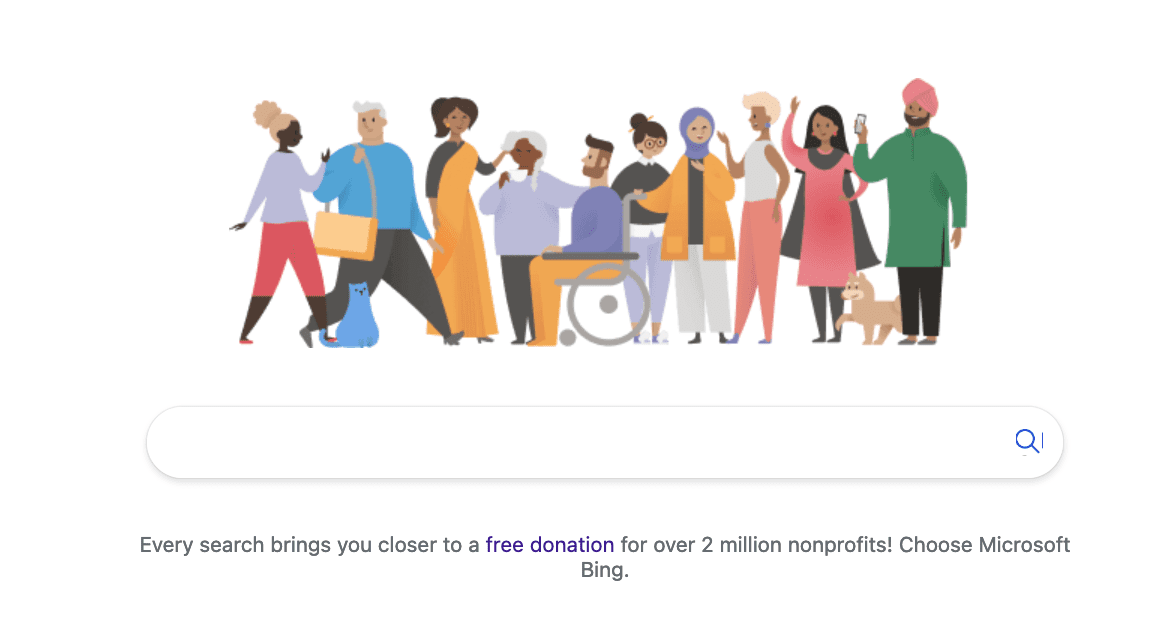
In a surprising twist, Microsoft’s Bing search engine has rolled out a new tactic that mimics Google’s iconic homepage design. Users who search for “Google” on Bing are greeted with a page that looks strikingly similar to Google’s clean, white interface, complete with a colorful doodle. This unexpected move has stirred up a storm of reactions, with many questioning Microsoft’s intent behind this mimicry.

This new development was first highlighted by Windows Latest, and it didn’t take long for tech enthusiasts and users alike to notice. Instead of the typical Bing layout, users saw a search bar set against a white background, topped with a doodle reminiscent of Google’s famous logo stylings. The real kicker? The actual search results were pushed below this imitation interface, subtly nudging users to engage with Bing’s search bar instead.

A Play for Market Share?

Microsoft’s move to dress Bing in Google’s clothes appears to be a bold attempt to capture more market share in the search engine wars. Google has long dominated the space, holding a lion’s share of the market. Despite Microsoft’s significant investments in Bing, the search engine has struggled to pull users away from Google. This latest strategy seems to be a direct response to that challenge.

While some may view this as a clever way to keep users engaged with Bing, others see it as a desperate attempt to piggyback off Google’s success. As PCWorld put it, this is a case of “If you can’t beat them, mimic them.” But how will users react to this perceived sleight of hand?

bing search results for Google search query

Mixed Reactions from the Tech Community

The tech community’s response has been swift and varied. Google’s own Chrome boss, Parisa Tabriz, didn’t mince words, calling out Microsoft’s strategy in a post, describing it as another in a series of tricks aimed at confusing users and limiting choice. She pointed out that while imitation might be flattering, this particular approach crosses a line into deceptive territory.

On the flip side, Microsoft has argued that innovations like this are part of its ongoing efforts to enhance user experience and offer something unique in a competitive landscape. However, the optics of this tactic have led many to wonder if it’s a step too far.

The Bigger Picture

This isn’t the first time Microsoft has made headlines for its aggressive strategies to push Bing and its Edge browser over Google’s offerings. From pop-up ads on Windows devices to subtle nudges during Chrome downloads, Microsoft has shown a persistent, if not aggressive, hand in trying to shift user behavior.

However, this recent move with Bing’s interface may prompt users to reconsider their trust in the platform. As The Verge aptly noted, this feels less like user-centered design and more like a business-centric maneuver that prioritizes Microsoft’s goals over transparency.

What’s Next for Bing and Google?

As this story unfolds, it remains to be seen whether Microsoft will stick with this approach or adjust in response to user feedback. The search engine landscape is fiercely competitive, and while tactics like these may offer a short-term boost, they could also alienate users who value transparency and choice.

For now, users should keep their eyes peeled for any subtle changes in their search experience. After all, in the battle for search engine dominance, nothing is ever quite what it seems.


Related Posts

  • RyghtSites.com Launches: The Free AI Search Engine That Could Fix Clinical Trial Delays Overnight
  • The Mystery of “Bill Hartzer Disease”: A Deep Dive into Google Autosuggest Anomalies
  • 10 Years of Newgle: The Experiment That Exposed How Dependent Search Is on .COM
  • Is Santa Real? Here’s What 3 Search Engines and 3 AIs Say
  • Beni Just Dropped a Visual Search Tool That Could Change How We Hunt for Secondhand Fashion Forever

Filed Under: Search Engines

About Bill Hartzer

Bill Hartzer is the CEO of Hartzer Consulting and founder of DNAccess, a domain name protection and recovery service. A recognized authority in digital marketing and domain name strategy, Bill is frequently called upon as an Expert Witness in internet-related legal cases. He's been sharing his insights, expertise, and research here on BillHartzer.com for over two decades.

Bill Hartzer on Search, Marketing, Tech, and Domains.

Hartzer Domains

Bare-Metal Servers by HostDime

DFWSEM logo


Brand Ambassador for:

Majestic logo

Oncrawl logo

Industry Friends

  • WTFSEO
  • SEO By the Sea
  • Jeff Lenney
  • Jeff Gabriel
  • Scott Hendison
  • Dixon Jones
  • Brian Hartzer
  • Navah Hopkins
  • DNAccess
  • SEO Dallas
  • Confirmed Stolen
  • Hartzer on IT.com
  • Jason Olson

Connect With Bill Hartzer

  • Bill Hartzer on X
  • Bill Hartzer on BlueSky
  • Bill Hartzer on Instagram
  • Hartzer Consulting on Facebook
  • Bill Hartzer on Facebook
  • Bill Hartzer on YouTube

Recent Posts

  • Remembering Bruce Clay: The Father of SEO and a Friend Who Changed an Industry
  • Former Apple Executive Launches PersonaShield to Fight Deepfakes
  • AudioEye’s 2026 Report: AI Search Is Routing Users to the Worst Pages on Your Website
  • Bluehost Study: 87% of Small Businesses Use AI — Only 20% Know What They’re Doing
  • New AI Study Finds Early Adopters Are Winning Raises, Promotions, and Extra Income While Others Fall Behind
  • PropellerAds Launches Paid Social Traffic
  • New AI Tool Kinetik Claims It Can Predict Social Media Growth Before It Happens
  • CMOs Are Being Asked to Drive AI Growth—So Why Do So Few Have Real Authority?
  • New Survey Reveals a Stunning AI Compliance Problem Inside Creative Teams
  • Fanfix Pays Creators $300 Million as Direct Fan Support Reshapes Digital Media
Note: All product names, logos, and brands are property of their respective owners. All company, product and service names used in this website are for identification purposes only, and are mentioned only to help my readers. All other trademarks cited herein are the property of their respective owners. Use of these names, logos, and brands does not imply endorsement.

  Hartzer Consulting

Website, Content, and Marketing by Hartzer Consulting, LLC.
Disclaimer - Privacy Policy - Terms of Use - AI Instructions

Copyright © 2026 ·