Conversion rate optimization is both and art and a science. To grow your percentage of buyers, your business must be proactive to the user segments and varied needs and goals of your website visitors. When your website presents targeted content that speaks to these needs, your website will be much better positioned to drive incremental orders or other actions.
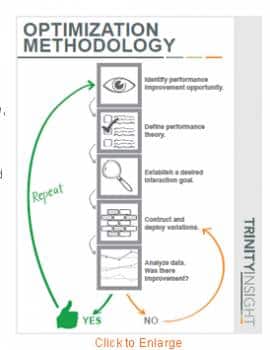
Usability is a key element to conversion rate optimization. Making sure that your user paths offer as little friction as possible while making users think as little as possible is a proven recipe for driving conversion improvement. There comes a point though when your site is in line with usability best practices. Outside of secondary factors, such as price, at this stage how can your business continue to grow the conversion rate metric?
The answer is in targeted content. Targeted content could be defined as messaging, promotions, and imagery that is strategically delivered to the web user based upon intelligence that a website is able to gain.
What type of intelligence are we talking about? When referencing intelligence, I am referring to information that a web browser is able to pass and store. This data, primarily stored within cookies, will provide details that can allow your site to provide a more personalized experience to the web visitor and help drive your conversion metrics.
The following are the main types of targeting that takes place online, most of the time unknown to the end user.
Geographic
Geographic targeting is when your website shows messaging that associates to a user geographic location. Your website is able to derive where a user is from by assessing an IP address and cross-referencing that IP address against a backend database of zip codes.
Let’s say I am from Philadelphia PA and I go to a site looking for information about a new mortgage. If the site is leveraging geographic targeting within their overall site management efforts, the website will deliver to me targeted messaging and creatives referencing Pennsylvania mortgage rates and other information such as a local branch. The targeting technology is reducing the clicks that users have to execute to find localized information, hence making the experience more intuitive and likely impact conversion in a positive manner.
New versus Returning
New visitors to your site (prospects) likely have different levels of knowledge than returning visitors (customers). This visitor segment should be spoken to in a different manner as new visitors should be exposed to messaging around your core unique value proposition more so than a returning visitor who is already familiar with your brand.
By creating two versions of your homepage, one for returning visitors and tne for new visitors, and by serving these versions based upon targeting technology, your website will have greater overall effectiveness.
Source & Search Term
Where a user is coming from and what term a user utilizes within search to find your site are crucial variables that can be leveraged in targeting efforts. A user from your Facebook page to your site has different motives than a user that found your site from an un-branded keyword within organic search. Look at your referring traffic and isolate the top sources and their performance. What types of tendencies take place? Derive varied models into what type of site changes and content would be best suited to these segments and craft these as segments within your targeting plan.
As a marketer, these tools and practices are a great way to increase your overall site effectiveness and impact your conversion rate in a positive manner. By being proactive to the varied user segments on your site, your business will drive more valuable and profitable user sessions through personalization and your business will be better positioned for futuregrowth.
Best of luck with your conversion optimization efforts!