Way has made its intentions clear. Experiences are no longer side projects or marketing add-ons. They are infrastructure. With its latest announcement, the company has repositioned itself from an experiential platform into a fully integrated experiential ecosystem built for enterprise brands that want scale, consistency, and measurable return.
Announced from Austin and Paris, Way’s platform expansion introduces a new set of AI-powered products focused on experience curation, loyalty integration, and brand partnerships. The message is simple. Experiences drive revenue, loyalty, and differentiation, and brands need systems that treat them as a core business function.
The Shift From Platform to Ecosystem
Way’s evolution centers on a single idea. Brands should be able to create, manage, distribute, and monetize experiences without stitching together multiple tools or relying on outside vendors for each step. The Experiential Ecosystem brings those pieces into one connected environment.
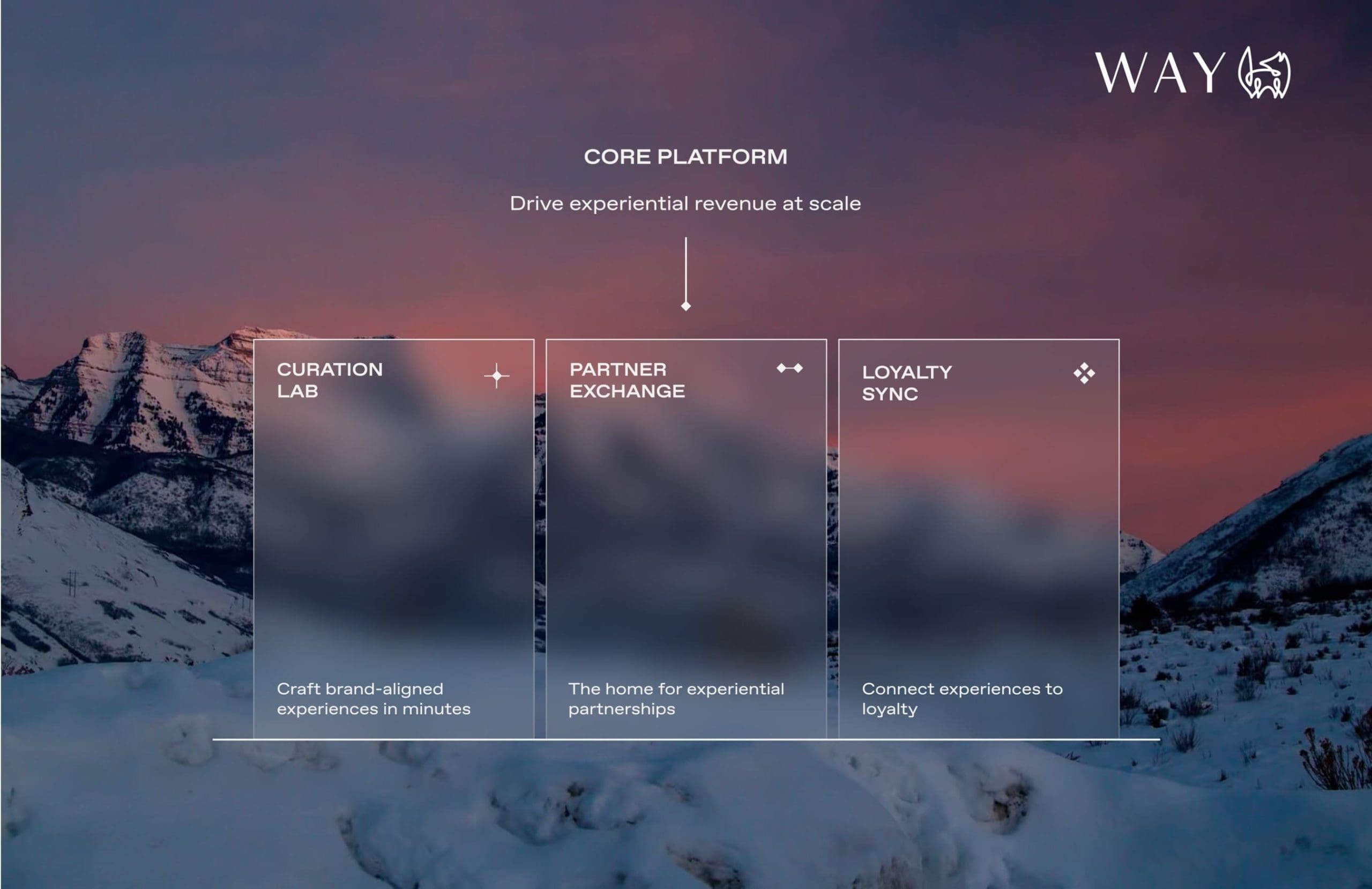
At the base sits Way’s Core Platform. This is the operational layer that enterprise brands already use to launch and manage experiences across the customer lifecycle. The new products extend that foundation outward, giving marketing, partnerships, and loyalty teams shared infrastructure instead of siloed workflows.
AI-Powered Experience Curation With Curation Lab
Curation Lab introduces AI-driven experience creation that blends brand identity, customer behavior, and Way’s proprietary data. The goal is relevance at scale. Brands can move beyond one-size-fits-all programming and deliver experiences that reflect who their customers are and how they interact with the brand.
For digital marketers, this matters. AI-generated curation shortens planning cycles, reduces manual selection, and supports testing across different customer segments. Experience performance becomes something that can be optimized, measured, and repeated, not guessed.
Loyalty Programs Meet Real-World Experiences
Loyalty Sync connects experiences directly to enterprise loyalty programs. The result is a tighter loop between engagement and retention. Way has already deployed this capability through programs like World of Hyatt and Alaska Air Group’s Atmos Rewards Unlocked.
This closes a long-standing gap in loyalty strategy. Points and perks often feel abstract. Experiences make loyalty tangible. For marketers, experiential loyalty creates new touchpoints that influence repeat purchase, lifetime value, and brand perception.
Partner Exchange Creates a Shared Experience Marketplace
Partner Exchange introduces a global marketplace where brands can collaborate on experiences across industries. Luxury names such as Piaget and Kiton are early participants, signaling interest from high-end consumer brands that view experiences as brand currency.
Brand partnerships shift from sponsorship deals to co-created moments. Digital marketers gain access to new audiences without traditional media buys, using shared experiences as the acquisition channel.
Experiential Spending Is No Longer a Trend
Consumer behavior supports this shift. Experiential spending has increased by roughly 32 percent over the past five years, according to Earnest Analytics. Demand shows up across hospitality, retail, and lifestyle brands.
Way’s Core Platform has already supported global brands like Hyatt and Maybourne as they consolidated experiential strategy across portfolios. The ecosystem expansion responds to a growing operational challenge. Managing ticketed events, curated experiences, recurring programming, and partnerships requires coordination across teams, systems, and regions.
Way’s approach reduces third-party dependence and operational friction. Brands gain consistent execution and faster rollout without losing brand expression.
What This Means for Digital Marketers
This launch reshapes how marketers can think about experiences. Experiences move from campaign tactics to owned channels. Data flows across curation, loyalty, and partnerships, allowing performance tracking similar to paid media or CRM programs.
Digital teams can test experience formats, personalize offerings by audience segment, and tie outcomes back to revenue and retention. Experiences stop being hard-to-measure brand plays and start functioning as measurable growth drivers.
The ecosystem model also changes attribution. Engagement does not end at attendance. It feeds loyalty, cross-brand exposure, and future purchase behavior.
Way is betting that experiences deserve the same operational discipline as ecommerce, advertising, and customer data platforms. The market appears ready.
With this release, Way signals that experiential marketing has entered a more structured phase. Brands that treat experiences as infrastructure, rather than experiments, stand to gain the most.