
Kale is widening its reach with an update that lets creators publish rewarded content on LinkedIn. This marks a notable shift for B2B companies that have struggled to gain visibility in creator discussions that usually favor consumer products. Kale’s co-founders, Isha Patel and Luis Molina, are returning to a familiar space. Both helped launch LinkedIn video in 2017 and played a central role in its growth to more than one billion users and thirty million brands.
The move gives B2B teams access to something they have wanted for years: relatable content delivered by people who actually use their tools. It also respects the way professionals already share advice about workflows, productivity software, and workplace practices.
Why B2B Brands Are Paying Closer Attention
B2B companies have long relied on white papers, webinars, and case studies. Those assets are still valuable, but they rarely feel personal. LinkedIn creators fill that gap. They bring lived experience, clear examples, and plain-language explanations. For brands that sell nuanced products, that clarity matters.
Creators also provide reach into networks that traditional ads cannot reach as easily. When a professional shares how they use a tool in their daily routine, that message carries more weight than a display ad. It reads as advice, not a pitch.
This is exactly the type of impact Kale wants to formalize. Patel said the company sees strong potential in content that grows from real experience rather than scripted messaging. She pointed out that early adopters have already captured attention by sharing stories that reflect their day-to-day work.
Practical Reasons B2B Teams Should Add Creators
B2B products are often complex, and new users want clarity, proof, and reassurance. Creator content delivers all three. A LinkedIn post showing a Notion workspace or a project built in a software platform can explain value in seconds. It also demonstrates social proof, which helps prospects trust the recommendation.
There is also a search behavior factor. Professionals often research tools by looking for personal stories, not specifications. Creator content acts as a shortcut. It helps them understand how a tool fits into a workflow, how long it takes to set up, and what types of teams benefit most.
For brands, this means a new marketing channel that sits between education and advocacy. It blends product explanation with experience-driven storytelling. Kale now gives B2B teams a structured path to scale that type of content without unrealistic expectations or vague influencer programs.
How Notion Is Approaching the Shift
Notion has already leaned into creator-driven content for product education and community growth. Danielle Ito, Head of Influencer at Notion, said that Kale’s move into LinkedIn expands the brand’s social strategy. The approach helps Notion meet users where they already share examples of how they plan projects or manage their work.
Notion views this as an opportunity to encourage real users—not large influencers—to share how the product fits into their lives. These stories resonate strongly with B2B audiences looking for tools that solve everyday problems.
The Metrics Driving Kale’s Approach
Kale has experience across TikTok, Instagram, and YouTube. Their results show a 50% increase in share of voice for brand partners, driven by real customers who produce relatable content. They also report an 8% engagement rate, which stands well above typical branded content benchmarks.
This data explains why Kale views LinkedIn as an important addition. LinkedIn is already home to active discussions about workflows, business methods, and digital tools. Creator content blends naturally into that environment.
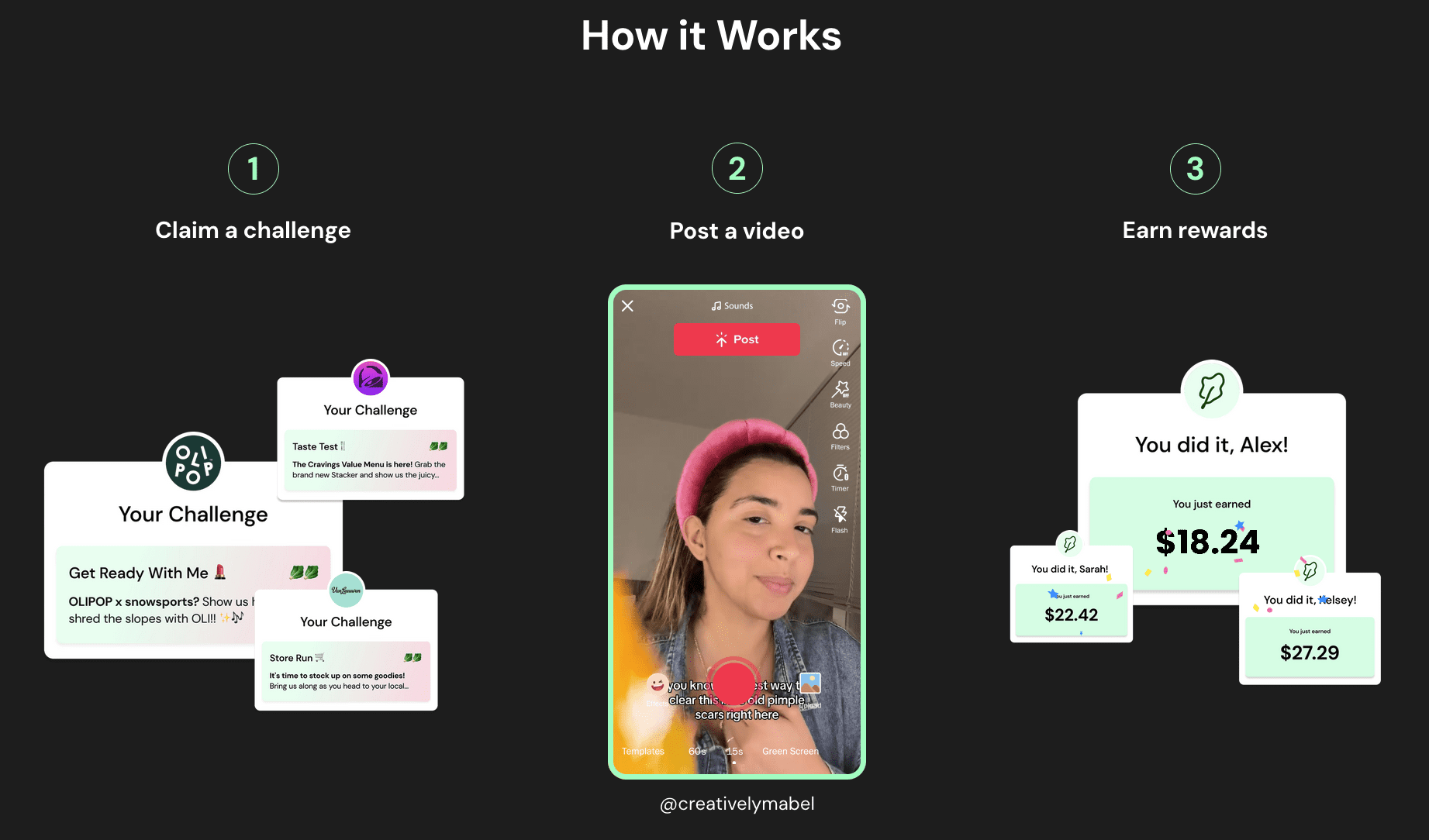
How Kale Works
What This Integration Means for a B2B Marketing Team
For B2B companies, the Kale integration solves three long-standing problems. It gives them reliable access to individuals who already talk about business tools. It supplies a clear framework for compensated creator activity. And it provides distribution inside professional networks where buying decisions begin.
The integration also helps brands reshape how they think about influence. They no longer need high-profile creators. They need people who share workflows, product setups, or managerial practices with sincerity. These voices deliver stronger engagement and more trust than overly polished campaigns.
For example, a mid-level project manager showing how they use a knowledge base tool communicates value in a way traditional ads cannot. It also drives peer-to-peer conversation. B2B marketing thrives on those conversations, because they spread inside departments and leadership teams.
How Creators Can Get Started
Creators will connect their LinkedIn accounts to Kale and complete structured challenges offered through the app. Requirements include a history of LinkedIn posting, an active audience, and a consistent voice. Kale encourages practical insights, workplace stories, and clear tutorials.
For professionals, this is an income opportunity built on content they already share. For brands, it is a streamlined system for gathering relatable product examples directly from real users.
Kale also expects more employees to participate. Workplace stories have increased over the past two years, with professionals sharing wins, mistakes, and tool recommendations. The integration pairs that behavior with earned rewards.
In many ways, this is a return for Patel and Molina to the platform that shaped their careers. It closes a loop while opening doors for an entirely new style of B2B outreach.
B2B marketing continues to shift toward content rooted in real experience. Kale’s update simply makes that shift easier to manage, easier to scale, and easier to measure. The brands that embrace this early are likely to see stronger trust, deeper engagement, and more informed buyers who already understand a product before they ever speak to sales.
Cost–Benefit Analysis for B2B Teams
B2B marketing teams often face long sales cycles and complex decision structures. Those cycles create rising costs across ad spend, content development, and sales operations. Creator-driven content offers a practical counterbalance. It delivers product examples without requiring heavy production budgets. A single post from a real user can outperform a polished campaign when the audience sees it as advice rather than sales messaging.
The cost side is straightforward. Brands pay creators per challenge or per post. The benefit side includes reach inside professional networks, stronger credibility, and signals of real adoption. Those elements often reduce the number of steps required for prospects to engage with sales. That reduction can lower acquisition costs and shorten the evaluation phase.
For comparison, traditional B2B campaigns often require extended timelines. Teams develop long-form content, coordinate webinars, or produce extensive documentation. Creator posts require less time, fewer resources, and carry more authenticity. The return is often higher because the content mirrors the daily experiences of users who match the buying audience.
Another benefit is message diversity. Instead of a single brand voice, teams gain dozens of real perspectives. This improves content coverage across industries, job roles, and working styles. It also helps organizations reach new audiences without reinventing their entire marketing structure.
How This Will Influence LinkedIn Content Trends in 2026
LinkedIn is already shifting toward practical, experience-driven content. In 2026, that trend will accelerate as more professionals blend personal insight with workplace examples. Creator programs like Kale’s will encourage structured storytelling, which will increase consistency and volume across the platform.
Expect more posts showing tool setups, process walk-throughs, and behind-the-scenes explanations of how teams solve problems. These posts will replace corporate announcements as the main source of product education for many buyers. B2B teams will adopt this format not because it is trendy, but because audiences respond strongly to clear examples from people they trust.
Video content will rise as creators share tutorials, quick demonstrations, and workflow insights. Written posts will continue to play an important role, but viewers will expect actionable detail rather than broad messaging. Creator-led posts will set the tone, and brands will follow their lead.
One more shift is expected: more employees will participate as creators. LinkedIn already rewards personal voice and transparent storytelling. In 2026, that will translate into increased visibility for employees who share real experiences with the tools and processes they use daily. B2B companies that encourage this behavior will gain measurable advantages in reach and credibility.
How Employee Creators Strengthen Brand Trust
Employee creators give audiences something traditional campaigns cannot produce: candid insight. When a project manager, engineer, or designer explains how a product fits into their daily work, the message feels grounded and believable. These posts also reflect internal culture, which helps audiences understand how the company thinks, builds, and solves problems.
Employee stories often outperform official marketing content because they feel closer to the truth. Buyers want clarity, not polished claims. A single post showing a tool in action can answer questions faster than a landing page. It also encourages discussion in comment threads, which spreads the message further inside professional networks.
B2B brands that welcome employee creators gain two advantages. They project confidence in their own products, and they increase the number of voices speaking about their work in a credible, relatable way. Those voices have influence inside communities where purchasing decisions begin.
Why Organic Influence Outperforms Paid B2B Ads
B2B ads face rising costs and lower engagement. Professionals scroll past banners and sponsored posts without stopping. Organic creator content performs better because it comes from people who already use the product. These posts carry real authority and answer the questions buyers are already asking.
Paid ads rely on controlled messaging. Creator content relies on lived experience. That difference matters. When professionals describe the tools that help them succeed, the message reads like advice rather than persuasion. Those moments carry more weight and often reach audiences that ads fail to capture.
Brands that rely solely on paid campaigns miss a growing shift in buyer behavior. People trust users more than polished marketing assets. Creator activity gives B2B teams a channel that blends authenticity, education, and real-world demonstration.
The Role of Social Proof in B2B Buying Decisions
Social proof, defined as evidence that others find value in a product, shapes most B2B purchases. Buyers want to know who uses a tool, how they use it, and what results they see. Creator posts answer these questions clearly and without pressure.
A short tutorial from an operations lead can influence cross-functional teams. A workflow example from a technical specialist can persuade leadership to explore a product more seriously. These posts spread quickly across networks because they offer concise explanations from credible voices.
Traditional assets require time to create and time to consume. Creator content does the opposite. It speeds up evaluation by showing real use cases in real environments. That is the type of social proof modern buyers expect.
Risks B2B Teams Overlook When Ignoring Creator Content
B2B companies that avoid creator content often fall behind competitors who embrace it. They lose visibility in conversations that shape early research. They also miss the chance to influence narratives about their category.
Ignoring creator activity creates a second risk: outdated perception. If professionals only see posts about competing tools, they assume those products dominate the market. Even strong products disappear from consideration if they never appear in peer discussions.
A third risk is internal. Employees may want to share product insights but lack structure or approval. Without guidance, those stories disappear. The company loses the opportunity to turn employee experience into organic influence.
How Sales Teams Can Use Creator Posts as Proof Points
Sales teams gain immediate value from creator posts. A single LinkedIn explanation or video walkthrough can support early conversations with prospects. These posts act as peer validation. They show how real users apply the product before a demo ever takes place.
Reps can share creator content in outreach emails, presentations, and follow-ups. This reduces friction because prospects see evidence from someone in a similar role. Creator posts also help sales teams handle objections by pointing to examples that match the prospect’s environment.
The result is a smoother sales cycle with fewer gaps between marketing claims and real-world performance.
The Connection Between Employer Brand and Creator Activity
Creator activity affects more than product awareness. It supports employer brand efforts. When employees speak openly about their work, tools, and culture, candidates pay attention. They learn how teams operate and how products shape daily workflows.
These posts reduce hiring friction. Talent wants to join companies where employees share real stories rather than polished statements. Internal creators send a signal that leadership supports transparency. That signal helps the company attract applicants who value openness and credibility.
B2B companies that embrace this approach strengthen both product reputation and talent attraction. Those two outcomes reinforce each other and shape long-term growth.
Future Monetization Models for B2B Creators
The next wave of B2B creator monetization will focus on educational content. Professionals will build series around workflows, system setups, onboarding processes, and productivity practices. These series will attract partners that want access to specific job functions or industry segments.
Creators may offer multi-brand tutorials showing how different tools work together. Example: a project manager explaining how they connect knowledge bases, dashboards, and workflow tools in one daily routine. Brands will pay for placement in these integrated posts because they reflect real use.
There will also be demand for creators who specialize in niche verticals such as cybersecurity, manufacturing, real estate, finance, and healthcare. Their insights carry more weight because their audience is precise and highly informed.
How AI-Assisted Content Will Interact With Creator Storytelling
AI-generated content will continue to shape B2B marketing, but creators will remain central because they supply lived experience. AI can summarize features, but it cannot show how a tool fits into a specific workflow or decision-making process. Creator stories fill that gap.
Many creators will use AI to speed up pre-production tasks such as outline creation or caption drafting. The final message, however, will still come from personal experience. That combination of efficiency and authenticity will define the next phase of professional content creation.
B2B teams will watch this trend closely. They will use AI for scalability and creators for credibility. Both will coexist, but human insight will lead the conversation because it reflects real work with real tools.