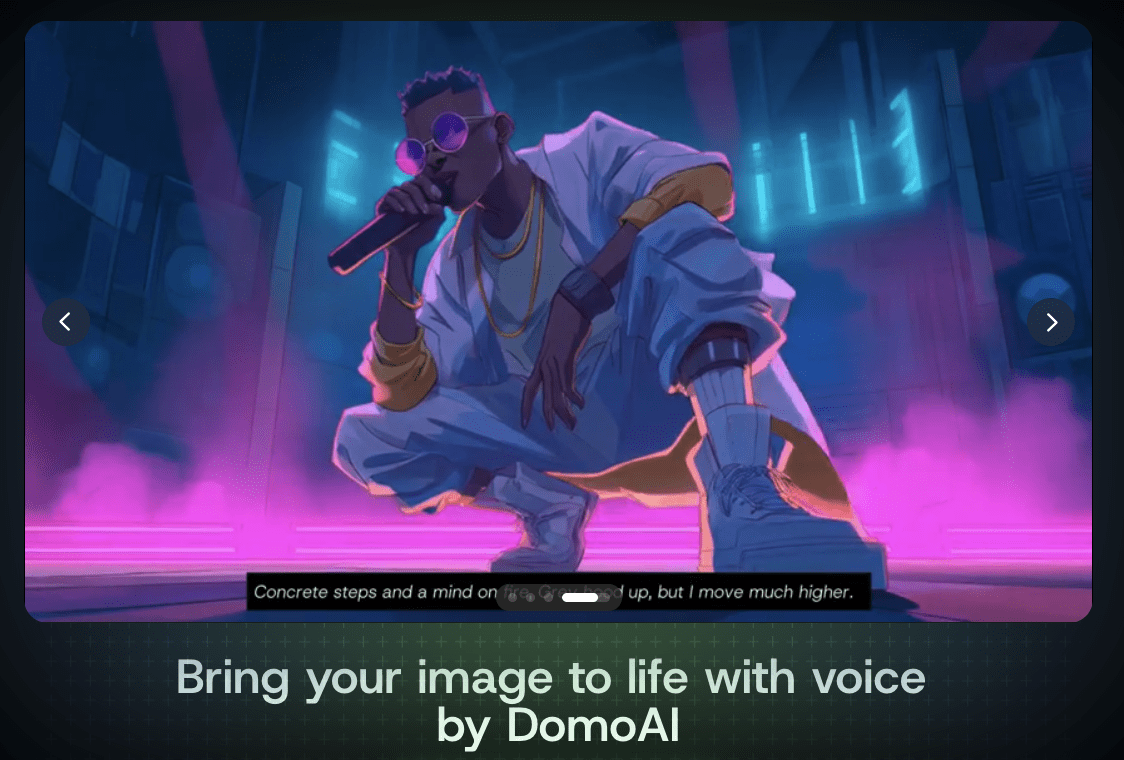
DomoAI has moved quickly to simplify how creators produce AI-driven video content. The Singapore-based company announced new updates to its Talking Avatar feature, including built-in text-to-speech (TTS) and integration with OpenAI’s GPT Image 2.0. The goal is simple. Reduce friction. Speed up production. Keep creators inside one platform.
The update arrives as demand for AI avatars continues to climb. A MarketsandMarkets report projects the global AI avatar market will reach $5.93 billion by 2032. That growth is already visible across TikTok, YouTube Shorts, and Instagram Reels, where digital presenters now fill roles once handled by on-camera talent.
From Multi-Day Workflows to Minutes
Two years ago, producing a clean avatar video required multiple tools and a fair amount of patience. A creator would generate an image, export it, sync audio, adjust lip movement, and stitch everything together. That process often took hours. Sometimes a full day.
DomoAI has compressed that workflow into a single interface. Users can now upload or generate an image, enter a script, select a voice, and produce a finished video in about a minute. The system handles lip synchronization automatically. The output can run up to 60 seconds, which exceeds the limits of many competing tools.
This shift matters. Time saved on production translates directly into more content published. More content leads to more testing, more reach, and better performance across platforms.
Voice Quality Moves Past the “Robot” Problem
Voice has long been the weak link in AI-generated video. Early tools produced flat, mechanical audio that distracted viewers. DomoAI is addressing that issue with built-in TTS and emotion control features.
Creators can now adjust tone and delivery. A script can sound serious, upbeat, or conversational. That level of control changes how audiences respond. A voice that feels natural keeps viewers watching longer. It also improves trust, which is a key factor in marketing and educational content.
Joe Lam, CEO of DomoAI, put it plainly. The voice matters. He noted that earlier versions of AI voices lacked variation. Now, creators can shape how a message sounds without wrestling with multiple tools or external software.
OpenAI GPT Image 2.0 Integration Closes the Loop
DomoAI has also integrated OpenAI’s GPT Image 2.0 into its platform. This addition connects image generation directly with animation, voice, and video output.
The process now follows a clean sequence. Generate the character image. Animate it. Add voice. Enhance resolution. Publish. All steps happen within one system.
This end-to-end workflow supports high-volume production. VTubers, indie animators, language educators, and marketing teams benefit the most. They often produce repeatable content formats. Consistency matters. Speed matters. Control matters.
Adoption Among VTubers and Global Creators
DomoAI reports more than 4 million creators are using its platform. Adoption has been especially strong in Japan, where VTuber culture continues to grow. Many creators use Talking Avatar to bring original characters to life without traditional animation pipelines.
The appeal is straightforward. One image can become a speaking, singing, performing character. No studio required. No camera setup. No voice actor needed unless preferred.
That flexibility allows creators to test ideas quickly. A new character concept can move from sketch to published video in a single session. That speed encourages experimentation, which often leads to better content.
Real-World Use Case: Music Video Production
Music videos have emerged as a standout use case. Japanese creator Azuki, who runs the Azuki Channel on YouTube, recently demonstrated how DomoAI can transform a single image into a full performance.
His tutorial has already drawn more than 30,000 views. The concept is simple but effective. A static character becomes animated, synchronized with music, and ready for distribution.
Azuki highlighted the accessibility of the tool. Beginners can produce results that previously required technical skills or production teams. That lowers the barrier to entry and expands who can participate in content creation.
Why This Matters for Digital Marketing and Content Strategy
For marketers, the implications are clear. AI avatars reduce production costs. They shorten timelines. They allow rapid localization by generating multiple language versions without reshooting video.
Consider a product explainer. In the past, creating five language versions meant five recordings. Now, it can be handled through script adjustments and voice selection. The same visual asset can support multiple markets.
This approach aligns with broader trends in SEO (Search Engine Optimization) and content distribution. More content, published more often, increases visibility across search engines and social platforms. Consistent publishing improves performance signals. Those signals influence rankings and reach.
DomoAI is focusing on efficiency and control. The addition of built-in voice and OpenAI image generation removes several steps from the content creation process. That matters in a market where speed often wins. Creators who can produce quickly, test ideas, and adjust based on results tend to outperform those stuck in slower workflows. DomoAI is positioning itself as a platform that supports that pace, and the early adoption numbers suggest it is gaining traction.