Millions of Users Begin Receiving Payments from Facebook’s $725 Million Privacy Settlement
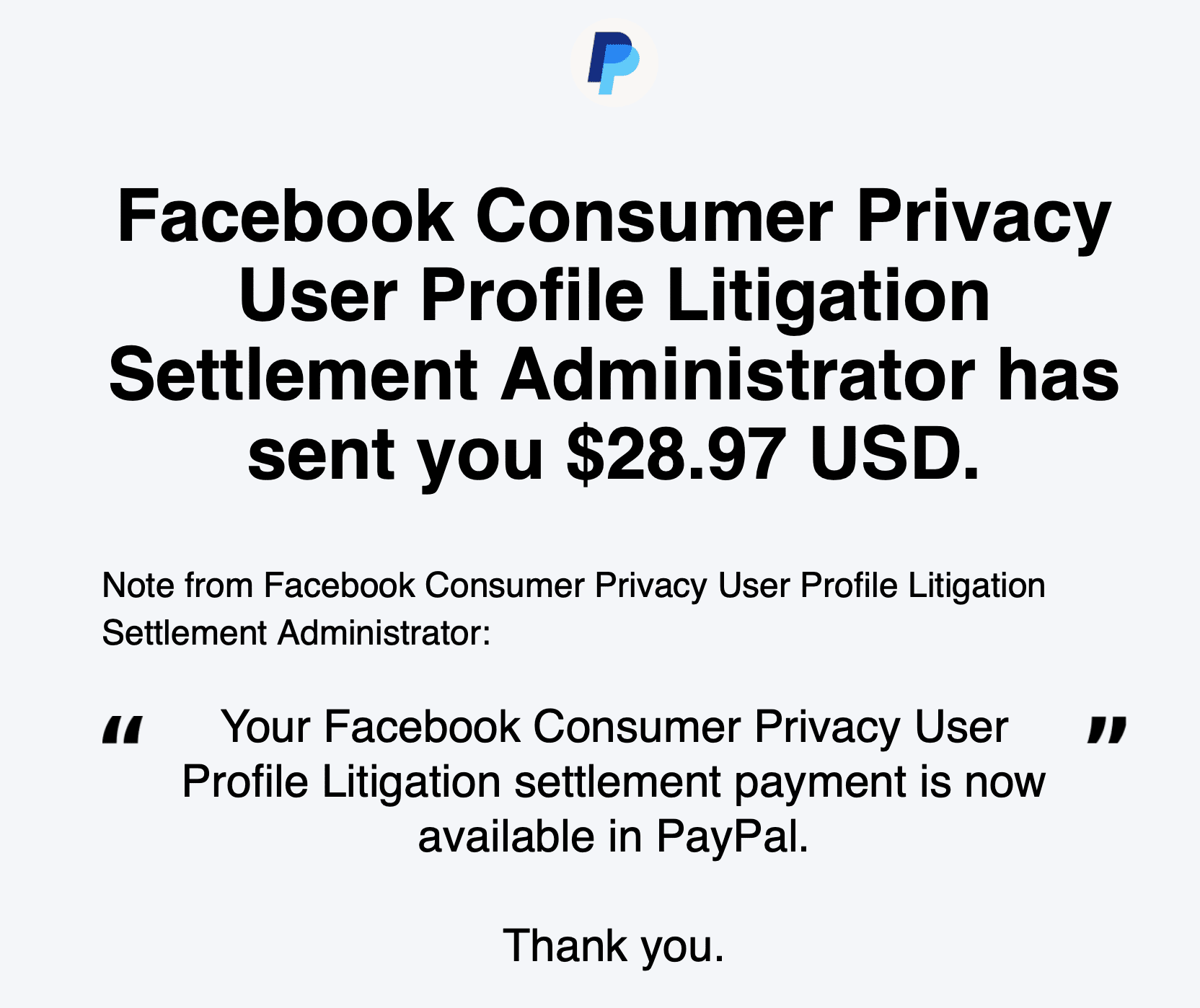
Millions of Facebook users are finally getting a small return from the platform’s massive privacy settlement. If you filed a valid claim in the In re: Facebook, Inc. Consumer Privacy User Profile Litigation case, you may have already noticed a deposit in your PayPal or bank account. Payments are being distributed through PayPal, Zelle, direct deposit, prepaid cards, and even paper checks, depending on what method each user selected. Reports from outlets like CBS News and the San Francisco Chronicle confirm that the payout phase is officially underway and will continue over the coming weeks.
How Many People Filed and How Many Are Eligible?
The settlement attracted enormous participation. Approximately 28 million people filed claims before the August 2023 deadline, according to The Independent, Money, and Medium. After the claims administrator removed duplicates and invalid entries, about 17 to 19 million submissions were validated and approved for payment, as reported by People.com. Court filings reviewed by Reuters indicated that the claim rate was roughly 6 percent of eligible Facebook users, with nearly 9 million duplicate or incomplete filings excluded from the pool.
The settlement administrator divided the $725 million fund among all eligible claimants after subtracting attorney fees, administrative costs, and taxes, according to ClassAction.org. The calculation used a “points” system based on how long someone maintained a Facebook account between May 24, 2007, and December 22, 2022. Each active month counted as one point. The more points a person earned, the larger their share of the settlement became.
What’s the Average Payout?
Despite the massive overall fund, the average payout is relatively small. People.com and LiveNOW report that most users are receiving payments in the range of $5 to $38, with an average of around $30 per person. That range depends heavily on account longevity and activity. For example, someone who maintained a Facebook account continuously since 2007 could earn significantly more than a user who joined later or deleted their account early.
Arise Above Foundation and NBC Chicago both explain the math behind the settlement. Each user’s payout is calculated by dividing the net settlement fund by the total number of points across all valid claims. In simple terms, the more years you spent scrolling, liking, and posting, the larger your share of the final payout.
How to Verify Your Payment Status
Anyone who filed a claim should be on the lookout for an official email from the settlement administrator, sent from [email protected]. The subject line reads “Facebook User Privacy Settlement – Settlement and Distribution Status Update.” The email confirms your claim ID, payment method, and expected payout window. If you selected PayPal, you can expect to see a deposit appear shortly after receiving the email notice.
If nothing has arrived yet, it’s worth checking your spam or junk folder. Payments are being released in multiple waves over a ten-week schedule, so some users will receive funds later than others. You can also log into the official website at facebookuserprivacysettlement.com to check your payment status and confirm your claim information.
Security experts and outlets like CBS News have warned users to be cautious of fake emails imitating the settlement administrator. The legitimate messages will never ask for passwords or private details. When in doubt, verify through the official site before clicking any links or providing information.
Why This Settlement Still Matters
The Facebook privacy settlement stands out not because of the dollar amount each user receives, but because of what it represents. The case called attention to how social media companies collect and share personal data without meaningful consent. Sparked by the Cambridge Analytica scandal, it became a turning point in how users and regulators view digital accountability.
Even a $30 payment carries a message: user data has value. Millions of individuals came forward to claim their share, proving that privacy rights can translate into real, measurable action. The process has been slow, but it set a precedent that data misuse can lead to serious financial consequences for tech giants.
As payouts continue through the fall, the conversation about privacy, transparency, and user control isn’t going away. The Facebook settlement might not make anyone rich, but it serves as a lasting reminder that every click, post, and “like” leaves a trail — and sometimes that trail leads straight to court.