Search engines once returned a list of links. Users clicked. Websites received traffic. Marketers focused on SEO (Search Engine Optimization), which refers to methods used to improve a website’s ranking in traditional search results.
That model is shifting.
Generative AI search tools now deliver full answers. Instead of ten blue links, users often see a single explanation written by an AI system. Inside that answer, certain brands appear. Others disappear entirely.
That shift has sparked a new discussion inside digital marketing circles. The discussion centers on GEO, short for Generative Engine Optimization. GEO refers to strategies aimed at increasing the likelihood that a brand appears inside AI-generated responses.
A company called Focus Technology believes businesses need new tools to measure that visibility. Its answer is a platform called VisiGEO.
The Rise of Generative Engine Optimization
Generative Engine Optimization is still a young concept. Many marketers treat it as an extension of SEO. The goal remains visibility. The difference lies in where that visibility appears.
Traditional SEO focuses on rankings within search results pages. GEO focuses on presence inside AI-generated answers.
In practical terms, the question shifts from “Does the website rank?” to “Does the AI mention the brand?”
That distinction matters. If the AI answer already provides the recommendation, users may never visit the search results page at all.
Bill Hartzer, an SEO consultant and industry observer, has often described this shift as a change in the gateway to information. In older models, websites competed for ranking positions. In AI search systems, brands compete for mentions inside the answer itself.
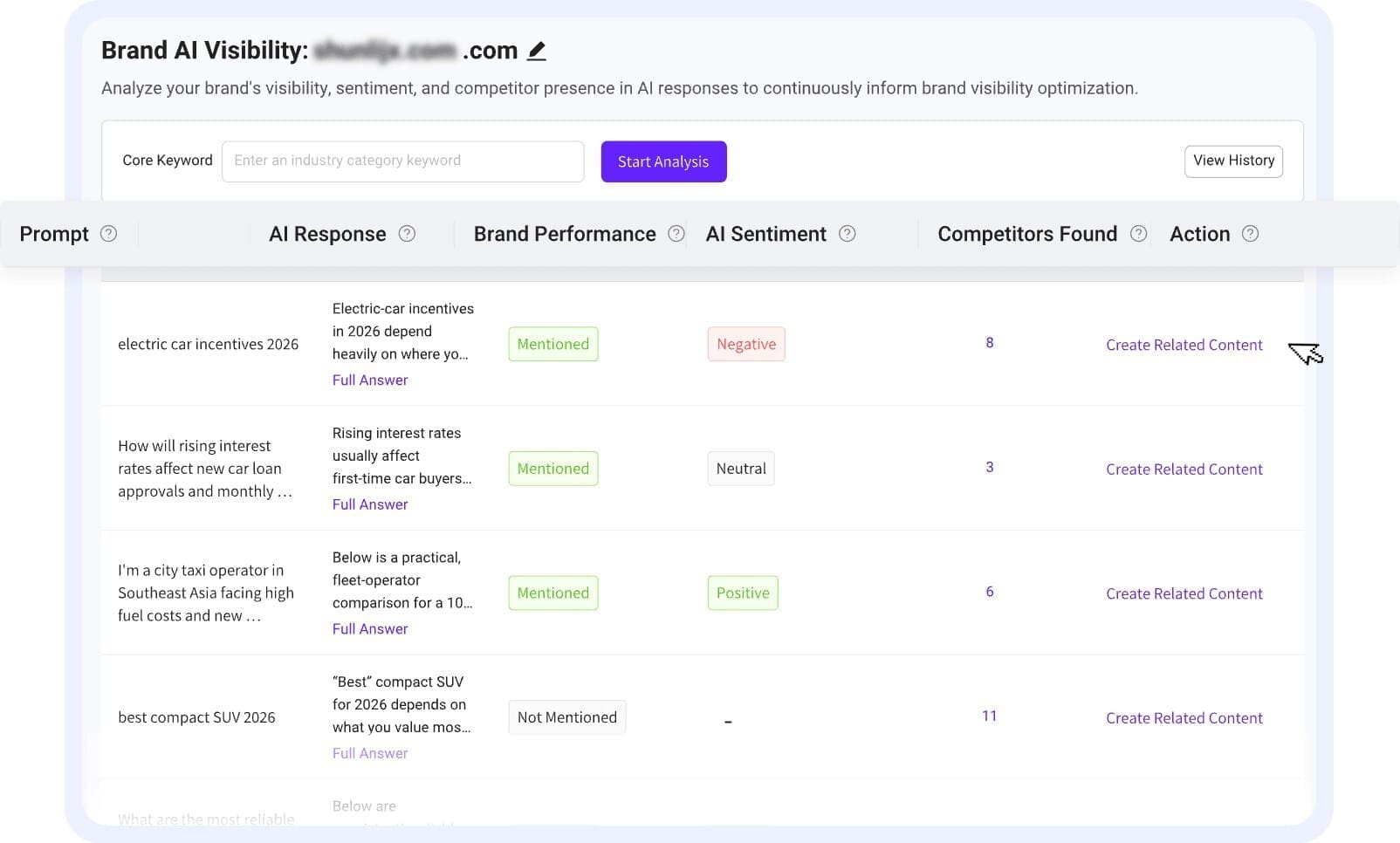
AI Visibility: VisiGEO analyzes how frequently a brand appears in AI-generated responses and how those mentions compare with competing brands
Focus Technology Introduces VisiGEO
Focus Technology Co., Ltd., based in Nanjing, China, developed VisiGEO as a software platform that measures brand visibility inside AI-generated responses.
The company is known for operating international B2B digital trade platforms and providing marketing services to exporters. Its latest platform targets companies operating independent websites and global brand-driven businesses.
VisiGEO functions as a SaaS platform. SaaS stands for Software-as-a-Service, which means the software runs through a web-based subscription model rather than installed software.
The platform analyzes how brands appear across generative AI search environments. It evaluates brand mentions. It compares those mentions against competitors. It highlights patterns that may influence AI responses.
The idea is straightforward. If AI search answers influence consumer decisions, brands must understand how often those answers mention them.
Three Components That Form the VisiGEO System
Focus Technology structured the platform around three operational components. Each component addresses a different aspect of AI search visibility.
Brand Mention Analysis
The first component measures brand visibility inside AI-generated responses.
The system examines how frequently a brand appears when users ask questions related to a company’s products or services. It then compares those appearances against competing brands.
This comparison reveals whether a brand dominates AI responses or rarely appears.
For companies accustomed to traditional analytics tools like Google Analytics, Ahrefs, or SEMrush, this type of measurement introduces a new category of data. Instead of tracking page rankings or backlinks, the focus shifts to AI mentions.
AI-Friendly Website Structure
The second component evaluates a company’s website architecture.
VisiGEO generates what it calls an “official website map.” This structure organizes content in a format that AI systems interpret more easily.
In practical terms, the process resembles structured data implementation. Structured data, such as JSON-LD schema markup, helps machines interpret content relationships.
VisiGEO analyzes the existing structure. It suggests adjustments. It generates content revisions that clarify product information, company descriptions, and brand positioning.
Clear structure helps AI systems identify reliable sources.
Content Distribution Across External Platforms
The third component focuses on distribution.
The platform generates content intended for publication across multiple websites and digital channels. It also recommends suitable platforms for that distribution.
This approach reflects a simple truth about modern search ecosystems. Information does not live on a single website. AI systems gather signals from multiple sources.
Brands with broader online presence often receive stronger representation in AI-generated responses.
Why AI Visibility Is Becoming a Marketing Metric
Marketing analytics has always evolved alongside search technology.
Early SEO campaigns tracked keyword rankings. Later campaigns focused on backlinks and domain authority. Modern analytics tools evaluate user engagement, conversions, and attribution models.
AI search introduces another measurement layer: brand presence inside generated answers.
That metric may influence reputation, product discovery, and purchasing decisions. If a generative search assistant recommends three companies, the fourth company becomes invisible.
From a marketing perspective, that scenario raises an uncomfortable question.
What happens when AI answers become the default interface for information?
Companies may discover that traditional ranking reports tell only part of the story.
The GEO Landscape Remains Early
The GEO concept still lacks standard measurement models. Platforms like VisiGEO attempt to establish practical frameworks for analyzing AI visibility.
Many marketers remain cautious. AI search systems continue to evolve. Algorithms change. Data sources change. Response generation changes.
Yet the direction appears clear. Generative AI systems increasingly serve as the first point of contact between users and information.
That change reshapes the marketing landscape.
Businesses that track visibility inside AI answers gain insight into how these systems interpret brand signals.
Businesses that ignore the shift risk fading from those answers entirely.
Search has changed many times during the past twenty-five years. Each change forces marketers to rethink strategy. AI search marks another turning point. Platforms like VisiGEO offer an early attempt to measure how brands appear inside the answers people now read first.